Danish Government Initiates Nationwide School Smartphone Ban Following Poor PISA Results
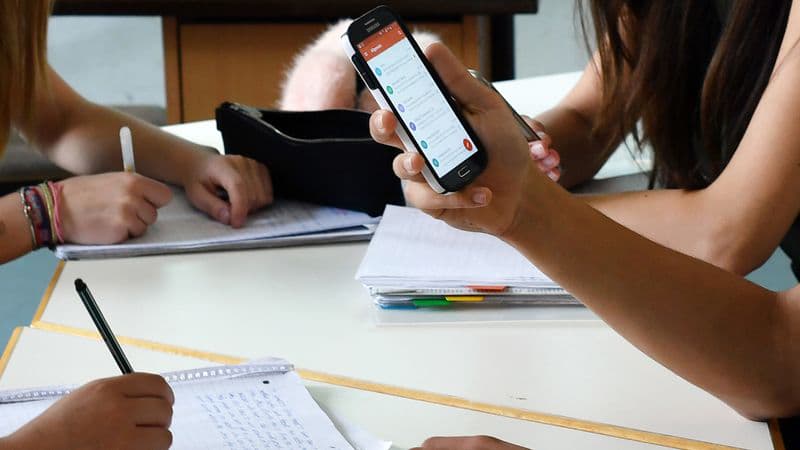
The Danish government is preparing a bill to make smartphones and internet devices banned in schools up to the 10th grade due to declining student performance.
 🎓Education
Photo: Ukrainska Pravda
Key points
- Denmark prepares a mandatory smartphone ban in schools up to 10th grade
- The decision was triggered by historically low PISA test scores
- The education minister emphasized the need to eliminate digital distractions
- Schools will be required to install network filters for non-academic websites
The Danish government has announced its intention to introduce a mandatory ban on smartphones and other internet-connected devices in the country's educational institutions. The new restrictions are set to take effect starting next academic year, applying to students up to the end of the 10th grade and covering after-school facilities. The government plans to submit the corresponding bill to parliament during the current session.
Background and Implementation of the New Rules
The decision to implement stricter measures comes in response to the lowest-ever scores recorded by Danish teenagers in the latest Programme for International Student Assessment. These declining educational outcomes prompted authorities to rethink classroom management. Education Minister Magnus Heunicke stated that children should be able to attend school without constantly being distracted by social media, online shopping, or games.
In addition to the physical device ban, schools will be legally required to use network filters blocking websites that lack academic or educational value. While the Danish parliament previously mandated schools to establish individual rules for primary grades, the new nationwide initiative provides a standardized and mandatory approach for a much broader age group, leaving specific enforcement methods up to individual institutions.
Similar restrictions are being adopted or prepared across various European nations facing the same challenges. Poland introduced a relevant law ahead of the current academic year, while the Czech Republic plans to implement a ban in the near future. These widespread policy shifts highlight a growing continental consensus on limiting screen time during school hours.
Source Ukrainska Pravda — pravda.com.ua/news/2026/11/23/8064223/ ↗
Read next
 🧠AI Analysis
Ukrainian Agricultural Sector Faces Growing Risk of Bankruptcy, Experts Warn
Depleted financial reserves, blocked Black Sea routes, and plummeting export revenues are pushing Ukrainian farmers toward potential bankruptcy.
 🩺Health
Tuberculosis Outbreak in Cherkasy: Over Twenty Children Infected
Cherkasy health officials report 26 cases of tuberculosis, including 23 children across ten local schools.
 🇺🇦Ukraine
EU Responds to Moscow's Invitation, Emphasizes Multilateral Security Talks
The European Commission acknowledges Putin's invitation to Moscow but maintains that security negotiations require a multilateral approach and a prior ceasefire.
 🧠AI Analysis
Energy workers set anti-record: Power restored for 3.5M households in a week
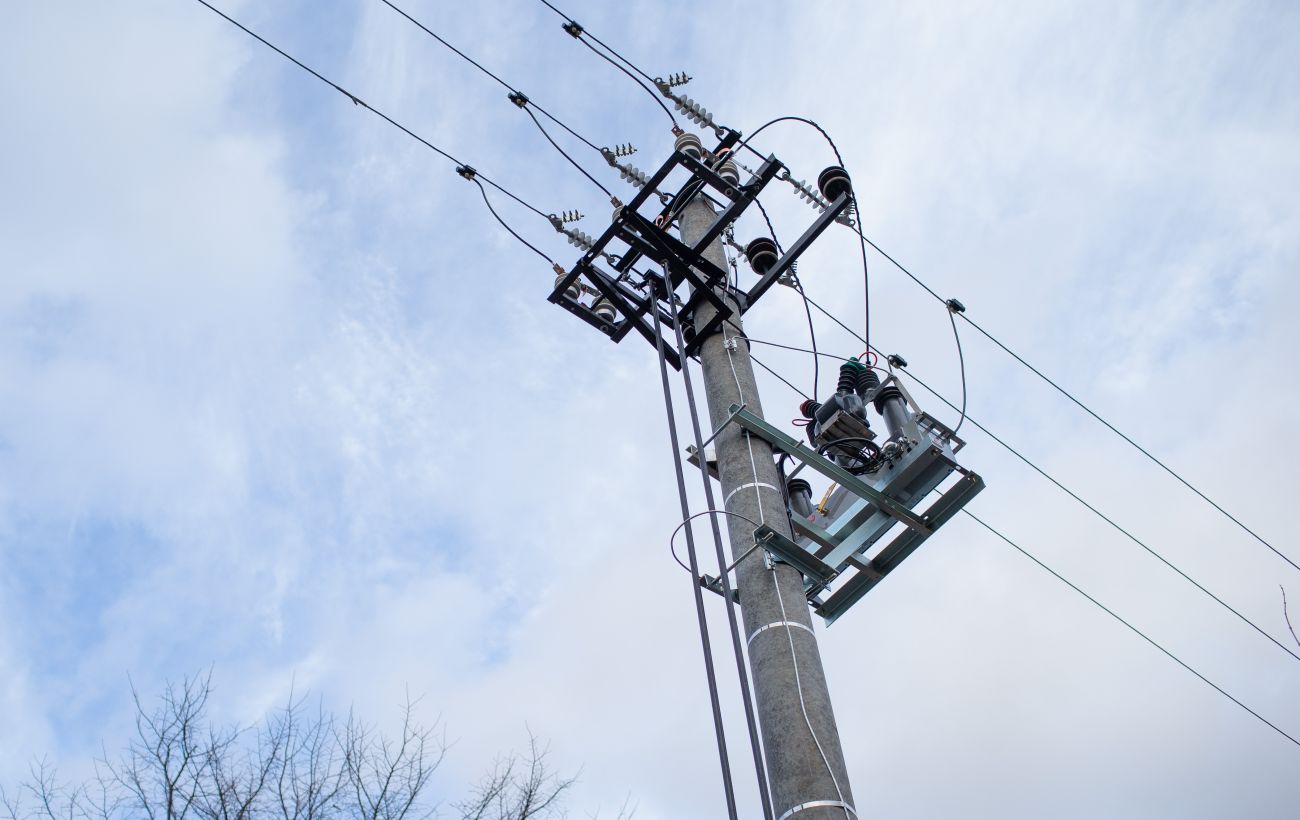
Between November 16 and 22, DTEK energy workers restored electricity for 3.5 million families following massive shelling.
 🩺Health
Regional healthcare: why patients from the Cherkasy region travel to the capital for IVF and how to use state programs
Female residents of the Cherkasy region are forced to seek In Vitro Fertilization (IVF) treatment in Kyiv, Lviv, or Kharkiv due to the lack of local reproductive medicine…
 🇺🇦Ukraine
New Geography of Maritime Warfare: Incidents in Libya and the Gulf of Finland
An explosion on a Russian vessel in Benghazi and a ship fire in the Gulf of Finland highlight vulnerabilities in Russia's global military logistics.