New Geography of Maritime Warfare: Incidents in Libya and the Gulf of Finland
An explosion on a Russian vessel in Benghazi and a ship fire in the Gulf of Finland highlight vulnerabilities in Russia's global military logistics.
 🇺🇦Ukraine
Photo: UNIAN
Key points
- Explosion on a Russian vessel in Benghazi, Libya
- Fire aboard the cargo ship Sparta II in the Gulf of Finland
- Strategic importance of Libyan ports for Russian logistics in Africa
- Growing vulnerabilities of military supply lines far from active warzones
In November 2026, a series of alarming incidents exposed critical vulnerabilities within Russia's global logistics network. On November 22, a powerful explosion rocked a Russian vessel docked at the naval base in the Libyan port of Benghazi. While local emergency services initially pointed toward ammunition detonation, it soon became evident that the event directly impacts Moscow’s broader military footprint in the region.
Vulnerability of Strategic Bases and Supply Lines
The Libyan vector has long served as a vital cornerstone for Russia's military and political presence in Africa. Cooperation with Khalifa Haftar's forces in the country's east enables the Kremlin to maintain supply routes, transfer military hardware, and coordinate activities across the African continent and the Mediterranean. Consequently, any security breach at such a hub forces the Russian military command to urgently reconsider its anti-sabotage and port-defense protocols.
This incident followed closely on the heels of another event: on November 21, the Russian cargo vessel Sparta II, operated by Oboronlogistika, caught fire in the Gulf of Finland. Although the chronological coincidence does not automatically prove direct coordination between perpetrators, it clearly points to a shifting paradigm in modern maritime confrontation.
Changing Realities of Global Security
The rapid advancement of unmanned systems, sabotage technology, and long-range reconnaissance has rewritten traditional notions of naval security. Military and auxiliary vessels can no longer rely on geographical distance as an automatic shield against attacks. Russia's naval supply chains now face potentially critical vulnerabilities far beyond the Black Sea region, demanding substantial investments in counter-intelligence, port defense, and diplomatic cover.
For readers in Smila and across Ukraine, these developments are a clear indicator of how the aggressor's global support apparatus is increasingly strained. As Moscow is forced to divert valuable resources toward protecting remote infrastructure, its overall strategic capacity experiences additional friction and long-term erosion.
Source UNIAN — unian.ua/war/nova-geografiya-viyni-na-mori-ekszastupnik-golovi-sbu-… ↗
Read next
 🚨Events
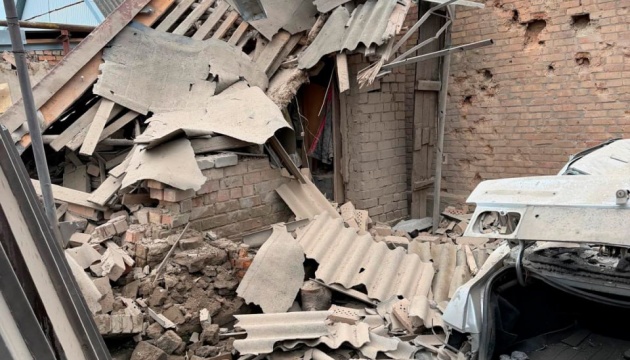
Consequences of Enemy Shelling in Dnipropetrovsk Region: Two Dead and Infrastructure Damaged
Over the past 24 hours, Russian forces launched 40 strikes on the Dnipropetrovsk region, resulting in casualties and significant infrastructure damage.
 🎓Education
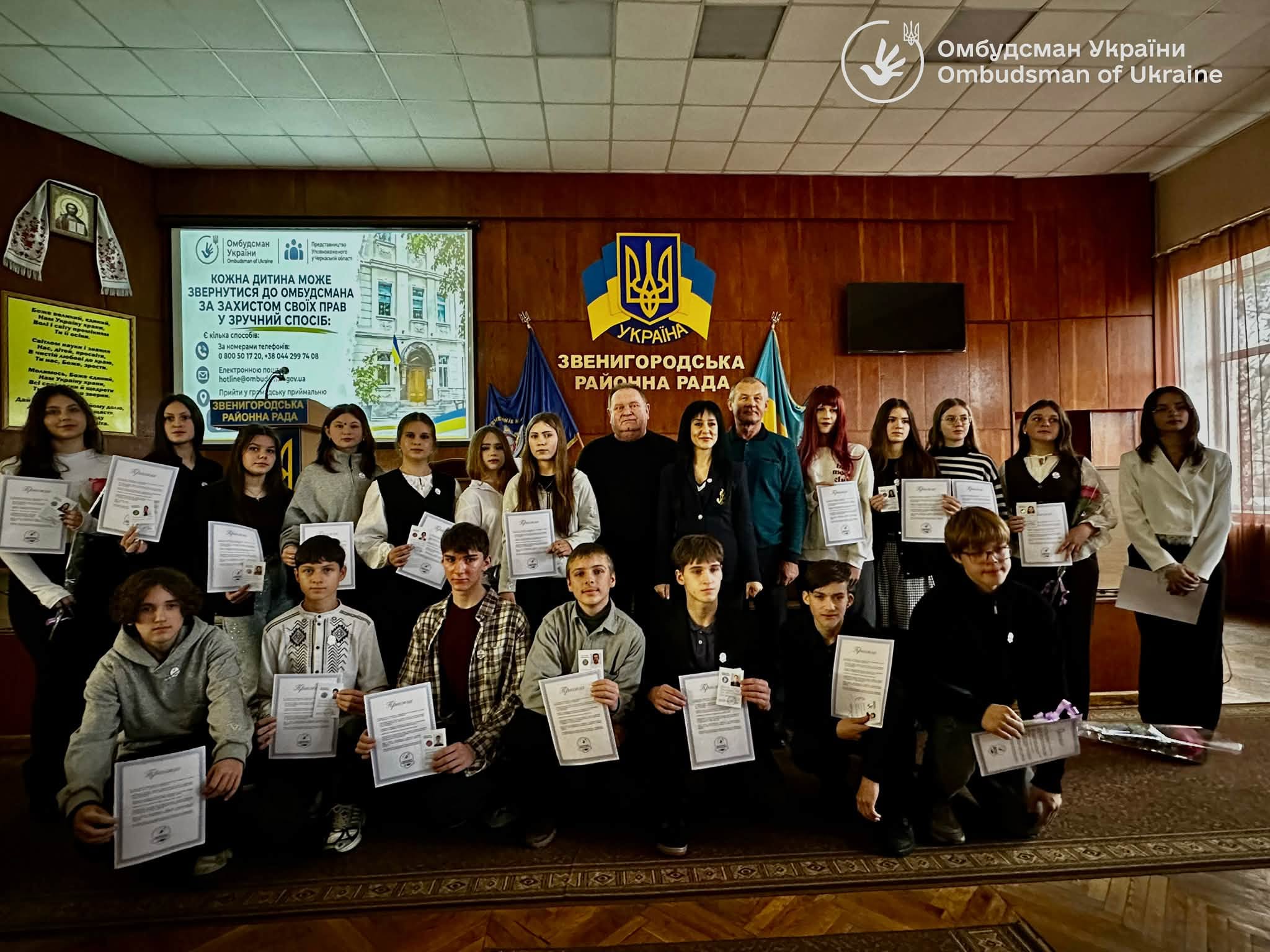
School ombudsmen network established in Zvenyhorodka district
Nineteen school ombudsmen have begun their work in the Zvenyhorodka district, aimed at protecting students' rights and fostering a democratic school environment.
 👥Society
Cherkasy Media Outlet «18000» Announces Traditional Gathering for Donor Club Members
Cherkasy-based media outlet «18000» has invited members of its Donor Club to a traditional themed gathering on November 25.
World combat jiu-jitsu champion Daniil Sviridov shares insights into professional sports
World champion Daniil Sviridov discussed the realities of professional sports, daily discipline, and athletic upbringing in a recent interview.
 🧠AI Analysis
Ukrainian Agricultural Sector Faces Growing Risk of Bankruptcy, Experts Warn
Depleted financial reserves, blocked Black Sea routes, and plummeting export revenues are pushing Ukrainian farmers toward potential bankruptcy.
 🎓Education
Danish Government Initiates Nationwide School Smartphone Ban Following Poor PISA Results
The Danish government is preparing a bill to make smartphones and internet devices banned in schools up to the 10th grade due to declining student performance.