Metallurgy Crisis Threatens Budgets of Ukrainian Cities and State Finances
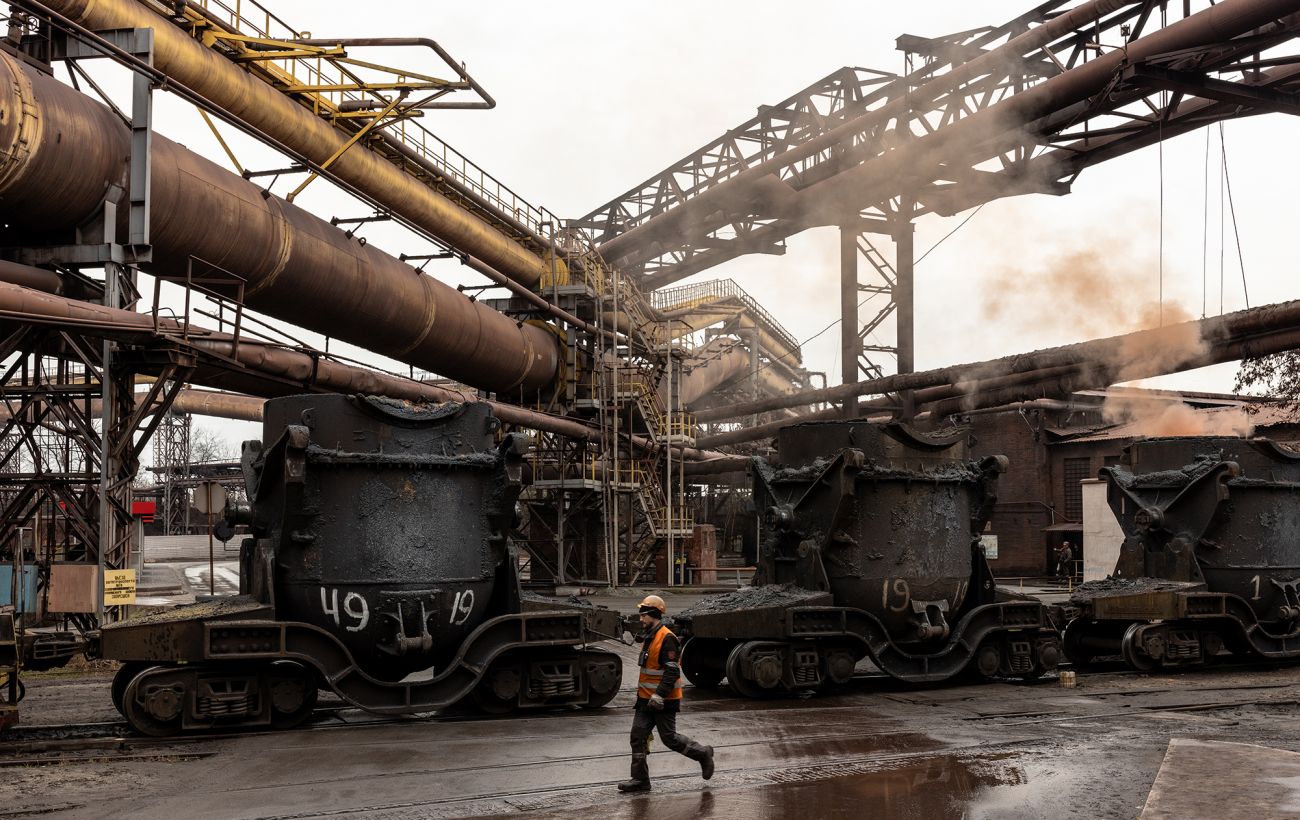
Production cuts in the mining and metals sector trigger a chain reaction that severely impacts state and local budget revenues.
 💼Economy
Photo: RBC-Ukraine
Key points
- Ukraine's metallurgical industry faces a large-scale crisis due to shelling, energy issues, and logistics bottlenecks.
- Declining tax revenues from the sector threaten the stability of state and local budgets.
- Industrial cities are already cutting infrastructure and development spending due to a lack of funds.
- The crisis has a cascading effect, negatively impacting related industries and small businesses.
The deep crisis in Ukraine's metallurgy industry has ceased to be a localized problem for individual enterprises, turning into a systemic challenge for state and municipal finances. Due to ongoing shelling, logistical bottlenecks, energy shortages, and external market restrictions, key industry players are forced to scale down production and export volumes.
According to analytical data, in 2025 the mining and metals sector contributed about 900 million dollars in taxes and fees. However, financial performance began to deteriorate rapidly in 2026. Specifically, during the first nine months, Metinvest reduced its tax payments by 6%, while VAT and corporate income tax revenues dropped even more significantly. Similar negative trends are observed across other major national plants.
Cascade Effect on the Economy and Regions
Since the industry accounts for a substantial share of GDP and foreign exchange earnings, every production decline heavily impacts related sectors—such as energy, rail transport, engineering, and small businesses. Reduced orders and job cuts trigger a dangerous chain reaction across regions.
Industrial cities feel this impact most acutely, as personal income tax and land fees form the core of local budgets. Local authorities in such regions are already forced to resort to budget sequestering and freeze infrastructure projects, directly affecting the quality of life in communities.
“We have reached a critical point, and the country risks losing billions of hryvnias in taxes,” industry representatives note.
Experts emphasize that solving logistics issues, unblocking ports, and ensuring stable energy supplies are vital not just for business support, but for preserving the financial resilience of the entire state.
Source RBC-Ukraine — rbc.ua/ukr/news/kriza-metalurgiyi-pererostae-krizu-byudzhetiv-17954… ↗
Read next
 🩺Health
Regional healthcare: why patients from the Cherkasy region travel to the capital for IVF and how to use state programs
Female residents of the Cherkasy region are forced to seek In Vitro Fertilization (IVF) treatment in Kyiv, Lviv, or Kharkiv due to the lack of local reproductive medicine…
 🇺🇦Ukraine
New Geography of Maritime Warfare: Incidents in Libya and the Gulf of Finland
An explosion on a Russian vessel in Benghazi and a ship fire in the Gulf of Finland highlight vulnerabilities in Russia's global military logistics.
 🛡️Security
Scale of Russian Air Attacks: Over 4,000 Drones in October
Defense Minister Yevhen Khmara reported a sharp increase in the number of Russian strike drones and missiles recorded in October.
 🏛️Politics
Former Deputy Prime Minister Suspected of Budget Embezzlement via Fake Employment
NABU and SAPO served notices of suspicion to a former deputy prime minister and two officials over a scheme involving fake hiring of drivers and bodyguards.
 💡Tech
End of shortage: experts forecast a drop in RAM and SSD prices by 2027
Analysts predict that soaring component prices will reverse by 2027 as the AI-driven demand boom begins to cool down.
 🏛️Politics
Zelenskyy Urges Allies to Consider NATO Membership Instead of Alternative Security Guarantees
Addressing the NATO Parliamentary Assembly in Berlin, the Ukrainian president stressed that full membership is more reliable than any substitute security guarantees.