History and Traditions of New Year: Why We Celebrate on January 1st
We explore the historical origins of the January 1st date and how calendar reforms shaped the modern celebration.
 🚌Transport
Photo: TSN
Key points
- January 1st became the start of the year due to the reforms of Caesar and Gregory XIII
- The month's name comes from the god Janus, symbolizing transition
- Different countries around the world have their own unique New Year rituals
From Antiquity to Modernity
The tradition of celebrating the New Year on January 1st has deep roots dating back to Ancient Rome. Although various civilizations for millennia tied the beginning of the year to natural phenomena, such as the flooding of the Nile or the spring equinox, it was the reforms of Julius Caesar that established January as the start of the calendar cycle.
The name of the first month comes from the god Janus, who symbolized transitions and new beginnings. His two-faced nature reflects the essence of the holiday: looking into the past and anticipating the future. However, the final consolidation of this date in Europe occurred only after the introduction of the Gregorian calendar by Pope Gregory XIII in 1582.
Diversity of Global Customs
Today, January 1st is the generally accepted start of the year for most countries, yet each culture maintains unique traditions for the holiday:
- Spain: eating 12 grapes as the clock strikes midnight to attract good luck.
- Italy: consuming lentil dishes, which symbolize future financial prosperity.
- Japan: the Buddhist tradition of ringing bells 108 times to cleanse oneself of passions.
- Scotland: the 'first-footing' ritual, where the first guest to enter a home determines the year's success.
Source TSN — tsn.ua/tsikavinki/koly-sviatkuiut-novyy-rik-chomu-data-prypadaye-na-1-s… ↗
Read next
 🩺Health
Cherkasy Cardiology Center Performs Complex Aorta and Coronary Surgery
Cardiac surgeons in Cherkasy performed a unique procedure on a patient with widespread aortic disease and coronary artery pathology, installing a stent-graft and multiple…
 🧠AI Analysis
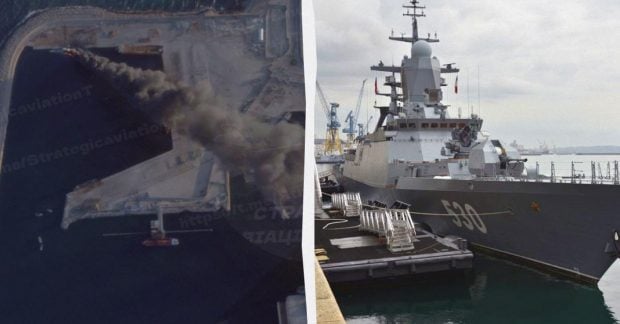
Russian Corvette Merkuriy Sunk Off Libyan Coast: Navy Highlights Hit to Moscow's African Ambitions
Ukrainian Defense Forces used naval drones to sink the Russian corvette Merkuriy near Libya. Ukraine's Navy explained the powerful explosion was caused by the ship's own …
 🚨Events
Smila residents should prepare for bad weather: forecasters predict snowfalls and black ice
The Ukrainian Hydrometeorological Center warns of a sharp change in weather conditions in the coming days. Residents of Smila and the region are expecting sleet and snow,…
 🛡️Security
Strike on 'Rubikon': Ukrainian Forces Destroy Elite Drone Base in Kursk Region
Ukrainian paratroopers destroyed a Russian technical drone base in Rylsk, debunking enemy claims regarding the mining of residential areas.
 🩺Health
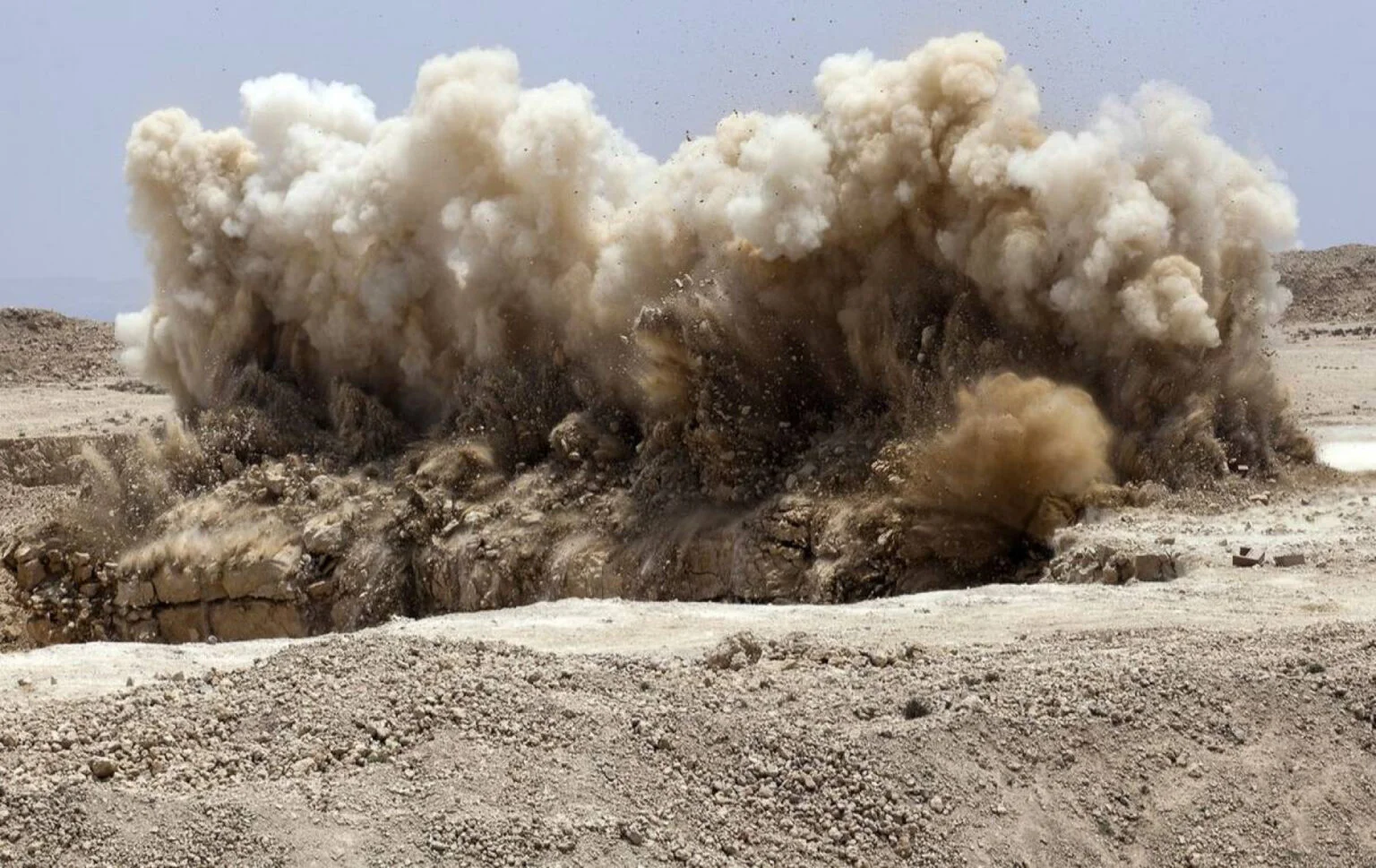
Planned Explosions for Ordnance Disposal Reported in Cherkasy District
Residents of the Cherkasy district were alerted to potential explosion sounds due to scheduled ordnance disposal operations. Officials assure the public that the situatio…
 🚨Events
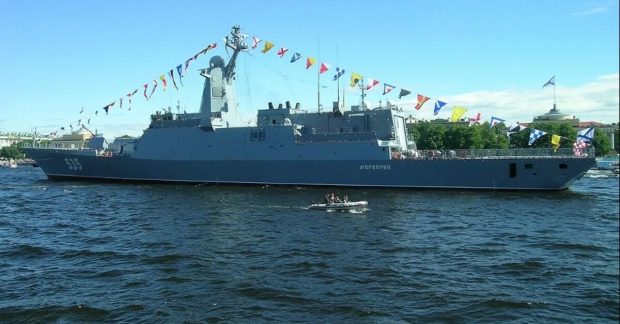
Attack on Russian Corvette "Merkury" in Libya: Details from ISW and SBU
The Institute for the Study of War and the Security Service of Ukraine have released details of a successful operation against a Russian warship off the coast of Libya.