Microplastics as chemical agents: new findings on cell impact
Scientific research has revealed that microplastics in water can trigger chemical reactions capable of damaging biological structures.
 🩺Health
Photo: TSN
Key points
- Microplastics in water generate reactive oxygen species
- Polyethylene and polypropylene are the most active types of plastic
- Chemical activity of plastic can damage cellular structures
- Heating plastic in microwaves accelerates the release of harmful particles
The dangerous activity of plastic
Microplastics, which we traditionally view as passive pollutants, have proven to be far more active than previously assumed. Researchers from Columbia University and the University of California, Berkeley, discovered that when in contact with water, reactive oxygen species (ROS) form on the surface of plastic particles.
These chemically active molecules, including hydroxyl radicals, can interact with proteins and DNA. Experiments showed that polyethylene and polypropylene are the most active in this process. Testing on mouse red blood cells demonstrated that such chemical processes could lead to cell damage.
Why this matters for Smila residents
The daily use of plastic containers, bottles, and even paper cups with plastic linings creates a risk of microparticles entering our homes. Heating plastic in a microwave or leaving bottles in the sun accelerates degradation, increasing the surface area where these reactions occur.
While the study was conducted in a laboratory setting and does not directly prove human disease, it sheds new light on the safety of food and water consumption. Residents should be mindful of food storage conditions and minimize plastic use, especially when heating food.
Source TSN — tsn.ua/zdorovya/mikroplastyk-vyiavyvsia-nebezpechnishym-niz-vvazaly-shc… ↗
Read next
 🎓Education
Experience from Ukrainian Drone Academy Reshapes US Military Training
An American military instructor visited Ukraine’s Killhouse drone academy and incorporated critical combat training methods into the US Army curriculum.
 🛡️Security
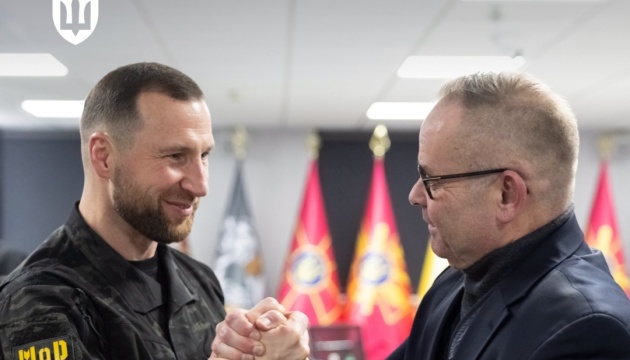
Ukraine and Sweden discuss fast-tracking Gripen fighter jet deliveries
The Ukrainian Ministry of Defense is negotiating with Sweden to accelerate the delivery of Gripen jets and essential armaments.
 👥Society
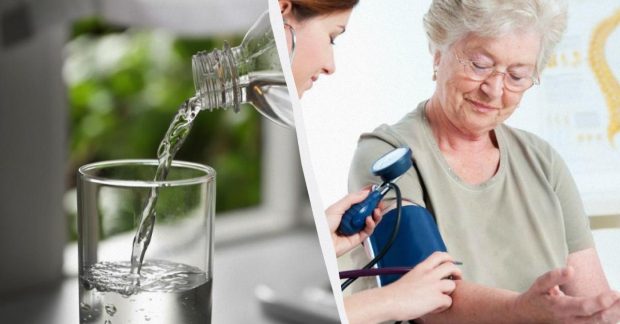
How Much Water to Drink for Healthy Blood Pressure: Cardiologists Advise
Leading cardiologists and vascular surgeons explain how daily water intake affects blood pressure and cardiovascular health.
 👥Society
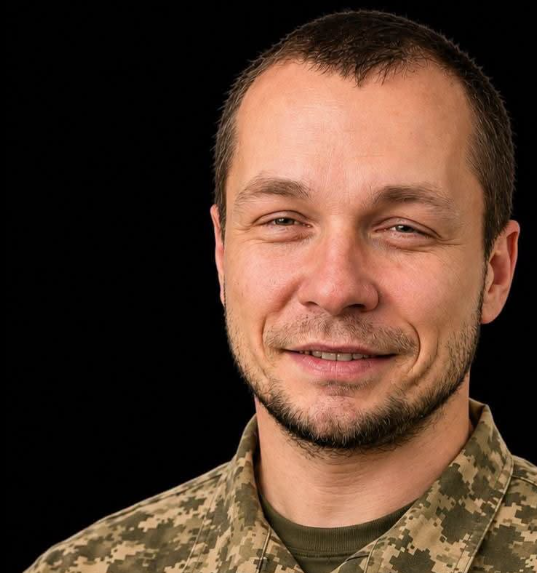
Smila bids farewell to 40-year-old serviceman Serhii Shcherbakov
The Smila community has paid its final respects to Ukrainian defender Serhii Shcherbakov, a drone systems specialist who passed away while on leave in his hometown.
 👥Society
Pension Fund Explains Payment Rules for Citizens Under Full State Maintenance
The Main Department of the Pension Fund in Cherkasy Oblast reminded about the specifics of pension accruals for individuals living in specialized institutions under full …
 👥Society
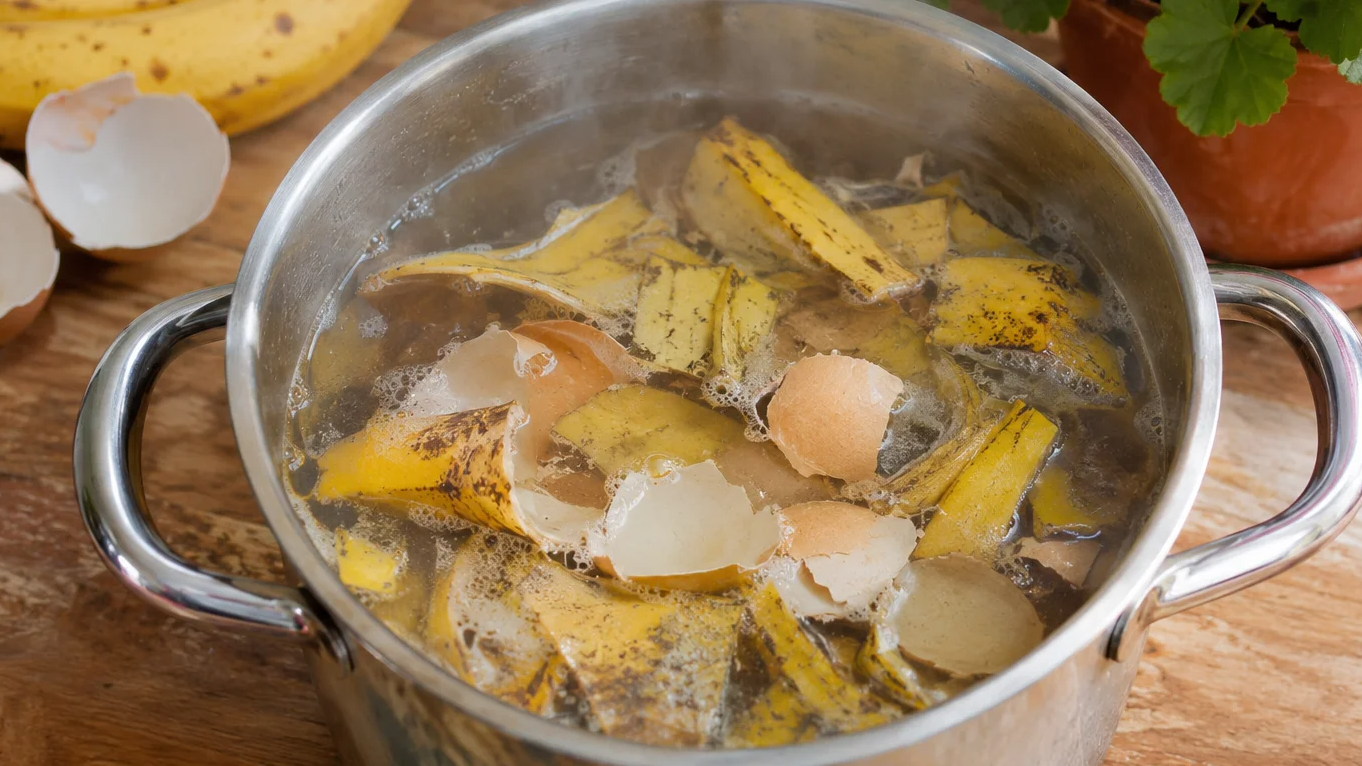
Home-made fertilizer from food waste: are banana and egg infusions effective for houseplants
Smila residents often use kitchen waste to care for indoor plants. Experts explain the actual benefits of banana peel and eggshell infusions and common mistakes to avoid.