How businesses can regulate shelter access in rented premises: legal advice
A lawyer explains how entrepreneurs should outline shelter access conditions in lease agreements and protect their rights during air raid alerts.
 🚨Events
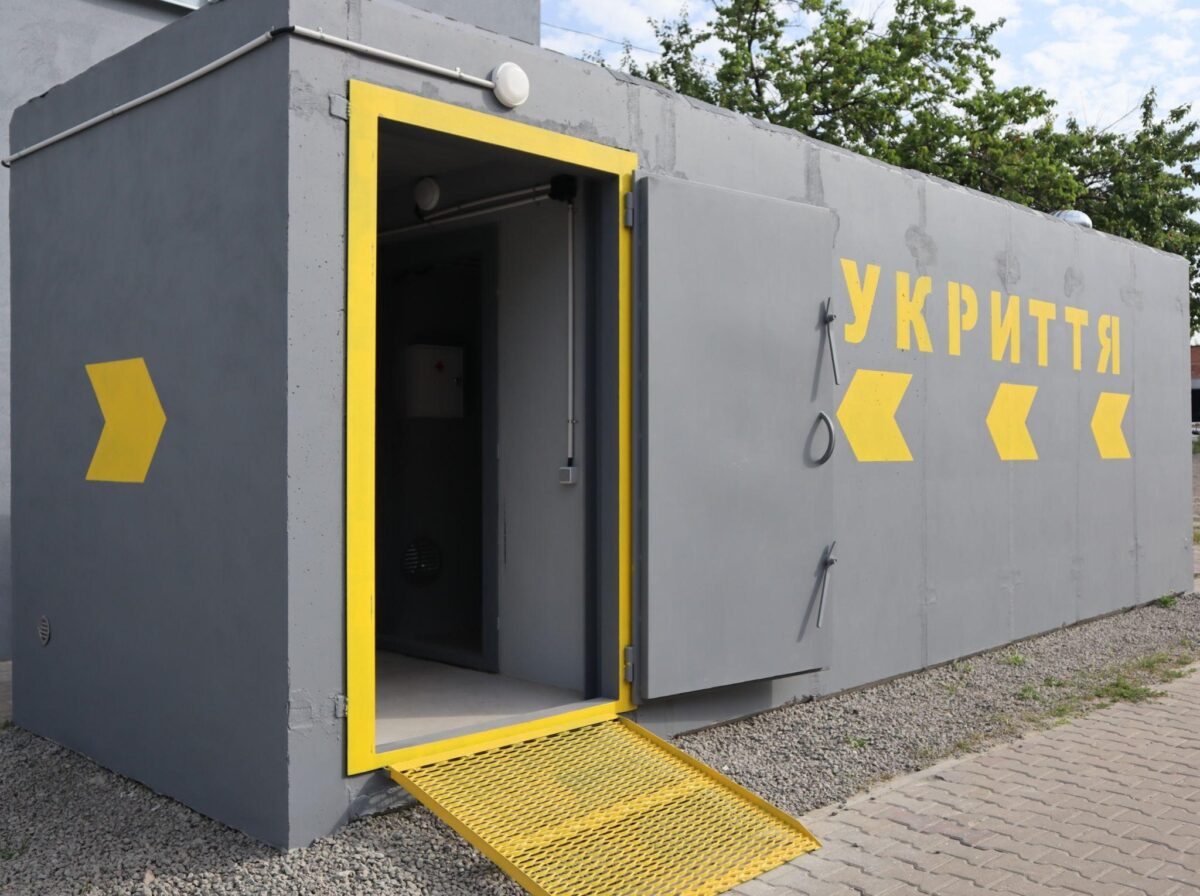
Photo: 18000.com.ua
Key points
- Importance of including shelter clauses in lease contracts
- Step-by-step actions when shelter access is blocked by landlords
- Legal rights to demand rent reductions or contract termination
Ensuring safety during air raid alerts has become a critical operational aspect for businesses operating in rented spaces. Questions regarding who is responsible for maintenance and access to shelters often spark friction between commercial property owners and tenants. Such challenges are common for local business owners striving to maintain operations while complying with safety regulations.
Key provisions to include in lease agreements
According to Cherkasy-based lawyer Liubov Polishkevych, the responsibility for operating during alert levels typically falls on the tenant, while property owners are generally responsible for maintaining the shelter itself. The expert advises explicitly defining these duties in lease contracts or addendums. It is crucial to determine who funds the arrangement of safe spaces and how uninterrupted access is guaranteed for staff and clients.
- Clear division of responsibilities regarding shelter maintenance
- Legal framework ensuring access to safety zones for employees and visitors
- Defined liabilities if safety regulations are violated by property owners
If a landlord denies access to a shelter, the lawyer recommends documenting the violation through photos or videos in the presence of witnesses. The next step involves sending a formal written demand to the owner. Tenants can also escalate the issue to emergency services or local authorities, as well as demand reduced rent, damage compensation, or contract termination.
The right to operate during alert protocols is the tenant's responsibility, but the shelter itself must be maintained by the property owner, Polishkevych notes.
As a backup plan, businesses are advised to consider setting up improvised safe spaces within their own rented area if technical conditions permit, minimizing dependence on external infrastructure issues.
Source 18000.com.ua — 18000.com.ua/strichka-novin/yak-pidpriyemcyam-u-cherkasax-domovitisya-z… ↗
Read next
 🏙️City
Global warming: scientists revive 40,000-year-old bacteria
Researchers from the University of Colorado have found that ancient microorganisms from permafrost can reactivate and thrive as temperatures rise.
 🎓Education
Smila resident grows a giant 350-kilogram pumpkin
A resident of Smila, Oleksiy Buryachenko, has grown a record-breaking pumpkin and distributed it for free to the local community.
 🇺🇦Ukraine
US Director of National Intelligence: Putin is not an American friend regarding Ukraine
Jay Clayton clarified the US stance, distinguishing between diplomatic rhetoric on nuclear safety and the reality of Russia's aggression.
 🛡️Security
Aftermath of the attack on Dymer: death toll rises to eight
Rescuers have recovered the body of the eighth victim of the Russian strike on Dymer in the Kyiv region. Search and rescue operations are ongoing.
 👥Society
Clashes at Kyiv Pechersk Lavra: Police Launch Investigation
A dispute over the use of religious buildings at the Kyiv Pechersk Lavra led to clashes. Law enforcement authorities are currently investigating the incident.
 🏙️City
ISW analysts evaluate prospects for humanitarian corridors on the front line
The Institute for the Study of War explains why evacuation proposals for different front-line sectors vary in feasibility due to geographical factors.